

HCI PREFERRED SUPPLIER

8-MM X 1.00X10-MM HEX HEAD CAPSCREW-MET96008010F >

8-MM X 1.00X16-MM HEX HEAD CAPSCREW-MET96008016F >
8-MM X 1.00X20-MM HEX HEAD CAPSCREW-MET96008020F >

8-MM X 1.00X30-MM HEX HEAD CAPSCREW-MET96008030F >

8-MM X 1.00X35-MM HEX HEAD CAPSCREW-MET96008035F >

8-MM X 1.00X40-MM HEX HEAD CAPSCREW-MET96008040F >

8-MM X 1.00X45-MM HEX HEAD CAPSCREW-MET96008045F >

8-MM X 1.00X50-MM HEX HEAD CAPSCREW-MET96008050F >

10-MM X 1.00X20-MM HEX HEAD CAPSCREW-MET96010020UF >

10-MM X 1.25X25-MM HEX HEAD CAPSCREW-MET96010025F >
10-MM X 1.00X25-MM HEX HEAD CAPSCREW-MET96010025UF >
10-MM X 1.25X30-MM HEX HEAD CAPSCREW-MET96010030F >
10-MM X 1.00X30-MM HEX HEAD CAPSCREW-MET96010030UF >

10-MM X 1.25X35-MM HEX HEAD CAPSCREW-MET96010035F >

10-MM X 1.00X35-MM HEX HEAD CAPSCREW-MET96010035UF >

10-MM X 1.25X40-MM HEX HEAD CAPSCREW-MET96010040F >

10-MM X 1.25X45-MM HEX HEAD CAPSCREW-MET96010045F >

10-MM X 1.00X45-MM HEX HEAD CAPSCREW-MET96010045UF >
10-MM X 1.25X50-MM HEX HEAD CAPSCREW-MET96010050F >

10-MM X 1.00X50-MM HEX HEAD CAPSCREW-MET96010050UF >

10-MM X 1.25X55-MM HEX HEAD CAPSCREW-MET96010055F >

10-MM X 1.00X60-MM HEX HEAD CAPSCREW-MET96010060UF >

10-MM X 1.25X65-MM HEX HEAD CAPSCREW-MET96010065F >

10-MM X 1.25X70-MM HEX HEAD CAPSCREW-MET96010070F >
Recently Viewed

Leviton® 84025 Standard Size Blank Wall Plate, 2 Gangs, 4.56 in W x 4.5 in H, 430 Stainless Steel
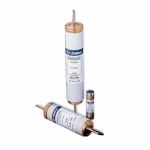
The LKN Series are fuse links designed for Littelfuse RLN series renewable fuses. Traditionally, Class H fuses were used to provide low cost protection of general purpose feeder and branch circuits where available short-circuit currents did not exceed 10,000 amperes. However, generally increased levels of available fault current and the distinct possibility that renewable fuses may be improperly renewed, rendering them unsafe, have all but eliminated the use of these fuses in new applications. In addition, escalating labour costs and increasing automation, which makes downtime very expensive, have greatly reduced or eliminated the cost savings attributed to renewable fuses.
The LKN Series are fuse links designed for Littelfuse RLN series renewable fuses. Traditionally, Class H fuses were used to provide low cost protection of general purpose feeder and branch circuits where available short-circuit currents did not exceed 10,000 amperes. However, generally increased levels of available fault current and the distinct possibility that renewable fuses may be improperly renewed, rendering them unsafe, have all but eliminated the use of these fuses in new applications. In addition, escalating labour costs and increasing automation, which makes downtime very expensive, have greatly reduced or eliminated the cost savings attributed to renewable fuses.
The LKN Series are fuse links designed for Littelfuse RLN series renewable fuses. Traditionally, Class H fuses were used to provide low cost protection of general purpose feeder and branch circuits where available short-circuit currents did not exceed 10,000 amperes. However, generally increased levels of available fault current and the distinct possibility that renewable fuses may be improperly renewed, rendering them unsafe, have all but eliminated the use of these fuses in new applications. In addition, escalating labour costs and increasing automation, which makes downtime very expensive, have greatly reduced or eliminated the cost savings attributed to renewable fuses.

Leviton® TBR15-I 1-Phase Duplex Tamper Resistant Straight Blade Receptacle, 125 V AC, 15 A, 2 Poles, 3 Wires, Ivory
Plug into safety with Leviton® line of tamper resistant receptacles. As a long time manufacturer of tamper resistant devices, we are pleased to be at the forefront of this safety measure with an expanded product line that encompasses a wide range of TR devices in residential, commercial, industrial and hospital grades.
The LKN Series are fuse links designed for Littelfuse RLN series renewable fuses. Traditionally, Class H fuses were used to provide low cost protection of general purpose feeder and branch circuits where available short-circuit currents did not exceed 10,000 amperes. However, generally increased levels of available fault current and the distinct possibility that renewable fuses may be improperly renewed, rendering them unsafe, have all but eliminated the use of these fuses in new applications. In addition, escalating labour costs and increasing automation, which makes downtime very expensive, have greatly reduced or eliminated the cost savings attributed to renewable fuses.

