


35 X 47 X 10-TC TRANSCOM OIL SEAL COMPANY

TCM35X47X10TC>
Recently Viewed

TCM35X47X10TC>

TAPERED ROLLER BEARING CONE-NTN495 >

Browning® Gearbelt® 1055169 Type 2 Synchronous Timing Pulley With Flange, 5/8 to 7/8 in Bore, 2.119 in OD, 18 Grooves, 2.149 in Dia Pitch, 1 in W Face
Synchronous belt drives help reduce the problems of slippage, belt stretch, lubrication and metal to metal contact. They provide superior performance because power is transmitted by positive engagement of belt teeth rather than by friction, as in conventional belt drives.

Gates® Power Transmission Super HC® PowerBand® 4/5V1060 Banded Heavy Duty V-Belt, 5V Section, 5/8 in W Top, 106 in L Outside, 35/64 in THK, Chloroprene
Combines the strength of a wrapped belt construction with the economies of a narrow section V-belt. Transmits more power in a given space and allows more compact drive design than classical section V-belts. In short, it offers you more power and considerably reduces the space needed. This significantly cuts the overall drive cost. Super HC™ V-belts also have exclusive Gates construction features for longer life on your drives.
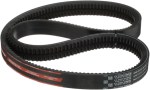
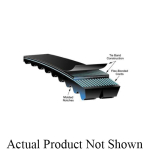
Gates® Power Transmission Super HC® Molded Notch PowerBand® 5/3VX800 Heavy Duty Molded Notch V-Belt, 3VX Section, 3/8 in W Top, 80 in L Outside, 21/64 in THK, EPDM
When your power transmission application needs a high horsepower solution but is constrained by drive weight or physical space, the answer is Super HC™ Molded Notch belts. Our proprietary ethylene construction process provides a superior combination of flex and load-carrying capacity, transmitting up to three times the horsepower versus comparably sized belts. Super HC MN V-belts put more power where high speeds, high speed ratios or small pulley diameters are required, offering significant benefits over classical section V-belts.

Browning® Gearbelt® 3513991 Solid Type BF Synchronous Timing Pulley With Flange, 1/2 to 2-5/8 in QD® Bore, 6.312 in OD, 40 Grooves, 6.366 in Dia Pitch, 1-13/16 in W Face
Synchronous belt drives help reduce the problems of slippage, belt stretch, lubrication and metal to metal contact. They provide superior performance because power is transmitted by positive engagement of belt teeth rather than by friction, as in conventional belt drives.

