
Charlotte Pipe and Foundry
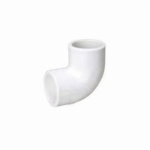

Charlotte PVC 02300 1800, 3 in nominal, Socket end style, SCH 40/STD, PVC, Domestic
PVC Schedule 40 fitting that is for pressure systems where temperatures will not exceed 140° F. They are highly resilient, with high-tensile and high-impact strength. PVC Schedule 40 has better sound deadening qualities than


Charlotte PVC 02300 2000, 4 in nominal, Socket end style, SCH 40/STD, PVC, Domestic
PVC Schedule 40 fitting that is for pressure systems where temperatures will not exceed 140° F. They are highly resilient, with high-tensile and high-impact strength. PVC Schedule 40 has better sound deadening qualities than


Charlotte PVC 02300 3600, 3/4 x 1/2 in nominal, Socket end style, SCH 40, PVC, Domestic
PVC Schedule 40 fitting that is for pressure systems where temperatures will not exceed 140° F. They are highly resilient, with high-tensile and high-impact strength. PVC Schedule 40 has better sound deadening qualities than


Charlotte PVC 02301 0600, 1/2 in nominal, Socket x FNPT end style, SCH 40, PVC, Domestic
PVC Schedule 40 fitting that is for pressure systems where temperatures will not exceed 140° F. They are highly resilient, with high-tensile and high-impact strength. PVC Schedule 40 has better sound deadening qualities than
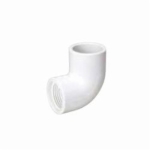

Charlotte PVC 02301 0800, 3/4 in nominal, Socket x FNPT end style, SCH 40/STD, PVC, Domestic
PVC Schedule 40 fitting that is for pressure systems where temperatures will not exceed 140° F. They are highly resilient, with high-tensile and high-impact strength. PVC Schedule 40 has better sound deadening qualities than


Charlotte PVC 02301 1600, 2 in nominal, Socket x FNPT end style, SCH 40/STD, PVC, Domestic
PVC Schedule 40 fitting that is for pressure systems where temperatures will not exceed 140° F. They are highly resilient, with high-tensile and high-impact strength. PVC Schedule 40 has better sound deadening qualities than
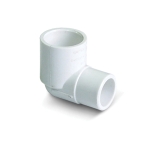

Charlotte PVC 02304 0600, 3/4 in nominal, Spigot x Socket end style, SCH 40/STD, PVC, Domestic
PVC Schedule 40 fitting that is for pressure systems where temperatures will not exceed 140° F. They are highly resilient, with high-tensile and high-impact strength. PVC Schedule 40 has better sound deadening qualities than

Charlotte PVC 02304 0800, 1 in nominal, Spigot x Socket end style, SCH 40/STD, PVC, Domestic
PVC Schedule 40 fitting that is for pressure systems where temperatures will not exceed 140° F. They are highly resilient, with high-tensile and high-impact strength. PVC Schedule 40 has better sound deadening qualities than


Charlotte PVC 02304 1000, 1-1/4 in nominal, Spigot x Socket end style, SCH 40, PVC, Domestic
PVC Schedule 40 fitting that is for pressure systems where temperatures will not exceed 140° F. They are highly resilient, with high-tensile and high-impact strength. PVC Schedule 40 has better sound deadening qualities than

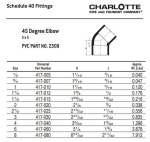
Charlotte PVC 02309 0600, 1/2 in nominal, Socket end style, SCH 40/STD, PVC, Domestic
PVC Schedule 40 fitting that is for pressure systems where temperatures will not exceed 140° F. They are highly resilient, with high-tensile and high-impact strength. PVC Schedule 40 has better sound deadening qualities than


Charlotte PVC 02309 0800, 3/4 in nominal, Socket end style, SCH 40/STD, PVC, Domestic
PVC Schedule 40 fitting that is for pressure systems where temperatures will not exceed 140° F. They are highly resilient, with high-tensile and high-impact strength. PVC Schedule 40 has better sound deadening qualities than

Charlotte PVC 02309 1000, 1 in nominal, Socket end style, SCH 40/STD, PVC, Domestic
PVC Schedule 40 fitting that is for pressure systems where temperatures will not exceed 140° F. They are highly resilient, with high-tensile and high-impact strength. PVC Schedule 40 has better sound deadening qualities than

Charlotte PVC 02309 1200, 1-1/4 in nominal, Socket end style, SCH 40/STD, PVC, Domestic
PVC Schedule 40 fitting that is for pressure systems where temperatures will not exceed 140° F. They are highly resilient, with high-tensile and high-impact strength. PVC Schedule 40 has better sound deadening qualities than


Charlotte PVC 02309 1600, 2 in nominal, Socket end style, SCH 40/STD, PVC, Domestic
PVC Schedule 40 fitting that is for pressure systems where temperatures will not exceed 140° F. They are highly resilient, with high-tensile and high-impact strength. PVC Schedule 40 has better sound deadening qualities than


Charlotte PVC 02309 1800, 3 in nominal, Socket end style, SCH 40/STD, PVC, Domestic
PVC Schedule 40 fitting that is for pressure systems where temperatures will not exceed 140° F. They are highly resilient, with high-tensile and high-impact strength. PVC Schedule 40 has better sound deadening qualities than


Charlotte PVC 02309 2000, 4 in nominal, Socket end style, SCH 40/STD, PVC, Domestic
PVC Schedule 40 fitting that is for pressure systems where temperatures will not exceed 140° F. They are highly resilient, with high-tensile and high-impact strength. PVC Schedule 40 has better sound deadening qualities than

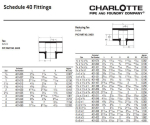
Charlotte PVC 02400 0600, Tee, 1/2 in nominal, Socket end style, SCH 40/STD, PVC, Domestic
PVC Schedule 40 fitting that is for pressure systems where temperatures will not exceed 140° F. They are highly resilient, with high-tensile and high-impact strength. PVC Schedule 40 has better sound deadening qualities than

Charlotte PVC 02400 1000, Tee, 1 in nominal, Socket end style, SCH 40/STD, PVC, Domestic
PVC Schedule 40 fitting that is for pressure systems where temperatures will not exceed 140° F. They are highly resilient, with high-tensile and high-impact strength. PVC Schedule 40 has better sound deadening qualities than


Charlotte PVC 02400 1200, Tee, 1-1/4 in nominal, Socket end style, SCH 40, PVC, Domestic
The PVC Schedule 40 tee is used in cold water pressure distribution systems including irrigation, pool and spa, potable water and chilled water applications. Please refer to NIBCO technical data sheets and catalogs for engineering and installation information. Polyvinyl chloride (PVC) is the most frequently specified of all thermoplastic materials because of its light weight, durability and cost-effectiveness. PVC Schedule 40 is easy to install and is joined by solvent cementing or threading. PVC fittings exhibit high corrosion and chemical resistance and will not rust, scale, pit or corrode. NIBCO® plastic fittings are backed by a 5-year limited warranty. Because of its longstanding reputation for innovation and precision in design and manufacturing, NIBCO is the preferred brand in the industry.


Charlotte PVC 02400 1400, Tee, 1-1/2 in nominal, Socket end style, SCH 40/STD, PVC, Domestic
PVC Schedule 40 fitting that is for pressure systems where temperatures will not exceed 140° F. They are highly resilient, with high-tensile and high-impact strength. PVC Schedule 40 has better sound deadening qualities than


Charlotte PVC 02400 1600, Tee, 2 in nominal, Socket end style, SCH 40/STD, PVC, Domestic
PVC Schedule 40 fitting that is for pressure systems where temperatures will not exceed 140° F. They are highly resilient, with high-tensile and high-impact strength. PVC Schedule 40 has better sound deadening qualities than

Charlotte PVC 02400 1800, Tee, 3 in nominal, Socket end style, SCH 40/STD, PVC, Domestic
PVC Schedule 40 fitting that is for pressure systems where temperatures will not exceed 140° F. They are highly resilient, with high-tensile and high-impact strength. PVC Schedule 40 has better sound deadening qualities than


Charlotte PVC 02400 2000, Tee, 4 in nominal, Socket end style, SCH 40/STD, PVC, Domestic
PVC Schedule 40 fitting that is for pressure systems where temperatures will not exceed 140° F. They are highly resilient, with high-tensile and high-impact strength. PVC Schedule 40 has better sound deadening qualities than

Charlotte PVC 02400 4000, Tee, 3/4 x 3/4 x 1/2 in nominal, Socket end style, SCH 40, PVC, Domestic
PVC Schedule 40 fitting that is for pressure systems where temperatures will not exceed 140° F. They are highly resilient, with high-tensile and high-impact strength. PVC Schedule 40 has better sound deadening qualities than
Recently Viewed
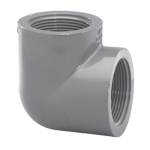
Lasco® 808-003 Elbow, 3/8 in Nominal, FNPT End Style, SCH 80/XH, PVC, Domestic
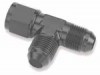
3/8" -FPXTEE HYDRAULIC ADAPTER-DAY6366 >
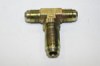
8MJ-8MJ-8FJXHYDRAULIC BRANCH TEE-DAY66008 >

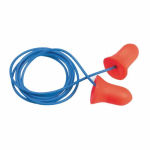
Howard Leight by Honeywell MAX-30 MAXIMUM® Single Use Earplugs, 33 dB Noise Reduction, Bell Shape, 2003/10/EC, 89/686/EEC, ANSI S12.6/1997, ANSI S3.19-1974, EN 352-2:1993, Z94.2-1994, Disposable, Corded Design
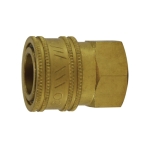
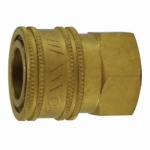
HCI Preferred Supplier 28652 ST Series Pipe Coupler, 3/8 in Nominal, FNPT, Brass/Buna-N Seal
HCI Preferred Supplier 28652 ST Series Pipe Coupler, 3/8 in Nominal, FNPT, Brass/Buna-N Seal


Justrite® 28653 EcoPolyBlend™ Accumulation Center, 1 Drums, 12 gal Spill, 1250 lb Load, 100% Recycled Polyethylene
Combine units to create your own customized spill-control system. Low-profile centers only measure 5.5‐inches (140‐mm) high for easy handling of drums. Made with 100% recycled polyethylene, these accumulation centers are nearly impervious to chemicals, including acids and corrosives. Seamless construction eliminates leaks, making them ideal for drum filling and dispensing operations. Self-locating grates won’t ride‐up, and are removable for easy cleaning. Combine 2-, 4-, 6-, and 8-drum modular units to create your own customized system. Use the optional joining clips to firmly lock units together. Sumps remain separate and clips can be removed for easy repositioning. Also available in non-recycled yellow color. Use optional Sump-to-Sump™ drain kit (includes joining clips and transfer tube) for applications requiring a continuous sump. Kit allows you to join centers together, on-site, for full compliance with regulations when sump capacities reach 71‐gallons (270‐liters). Kit includes one pair stainless steel joining clips, one pair rubber grommets, one polytetrafluoroethylene (PTFE) transfer tube. (Patent No US 6,622,879,B1) EPA compliant, supports SPCC, and meets NFPA 1 2009 edition and IFC fire codes. Used for secondary spill control with the ability to combine units to customize your system.

