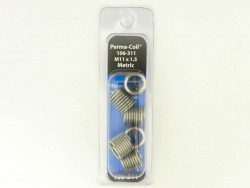
106-311 11-mm X 1.50 Threaded
11-MM X 1.50 THREADED INSERTS--PK/6-THR106311>
Recently Viewed
11-MM X 1.50 THREADED INSERTS--PK/6-THR106311>
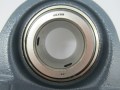
FYH® UCX09 28 UCX Cylindrical Pillow Block Unit, 45 mm Dia Bore, 2-5/8 in W, 35.1 kN Dynamic/23.3 kN Static Load
Littelfuse® POWR-PRO® KLPC2000 Current Limiting Time Delay Fuse, 2000 A, 600 V AC/480 V DC, 20/200 kA Interrupt, L Class, Cylindrical Body
KLPC series POWR-PRO® fuses provide ideal over current protection for circuits from 200 through 6000 A. KLPC series POWR-PRO® fuses specification-grade construction and performance meet or exceed the most stringent project specifications: 99.9% pure silver links, silver plated copper end bells, glass reinforced melamine bodies, o-ring seals between body and end bells and granular quartz fillers. KLPC series POWR-PRO® fuses are the only UL listed Class L fuses that provide a minimum of ten seconds time delay at 500% rated current and are also as current limiting as the fastest class L fuse on the market. On average, the peak let through currents of KLPC series fuses are 10% less than any other "time delay" class L fuse.
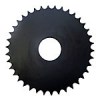
Browning® finished bore sprockets are offered in single strands. Offerings include 35 to 100 pitch range. Finished bore sprockets are available from 3/8 to 2-7/16 in. Hardened teeth are available up to 30 teeth.
Klein® SS10 Stubby Nutdriver, 5/16 in, Hollow/Round Shank, Amber Smooth Grip Handle, ANSI/ASME Specified, Polished Chrome
Work in close quarters with Klein's stubby nut driver. The hollow 1-1/2'' (38 mm) shaft is ideal when working on stacked circuit boards or other long bolt applications. The smooth Comfordome handle fits comfortably in the palm of the hand. Color coded handles make this tool easy to find in your tool bag.
Synchronous belt drives help reduce the problems of slippage, belt stretch, lubrication and metal to metal contact. They provide superior performance because power is transmitted by positive engagement of belt teeth rather than by friction, as in conventional belt drives.