

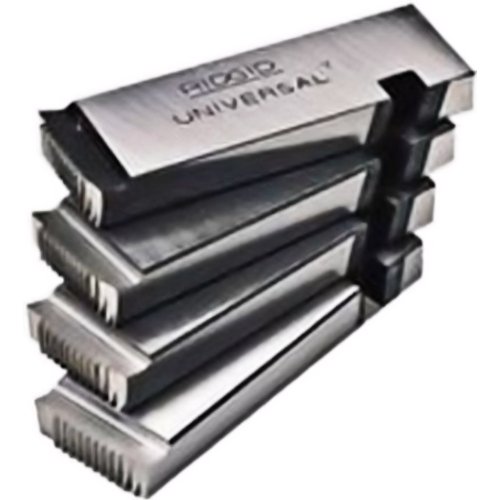
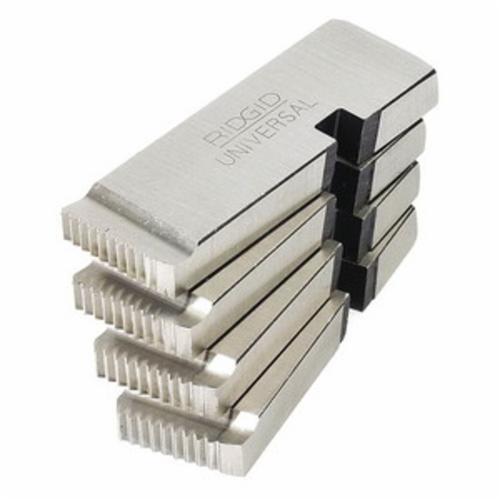
RIDGID® 47745 Pipe Die, 1/2 in Conduit/Pipe, 1/2-3/4-14 NPT Thread, Right Thread, 4 Pieces, For Use With 504A, 711, 713, 811A, 815A, 816, 817 and 842 Universal Die Heads, Alloy Steel

RIDGID® 47745 Pipe Die, 1/2 in Conduit/Pipe, 1/2-3/4-14 NPT Thread, Right Thread, 4 Pieces, For Use With 504A, 711, 713, 811A, 815A, 816, 817 and 842 Universal Die Heads, Alloy Steel
-
BrandRIDGID®
-
UPC095691477453
-
Manufacturer Part Number47745
-
CountryUSA
-
FinishBright
-
Thread DirectionRight
-
MaterialAlloy Steel
-
Thread Size1/2-3/4-14
-
Thread TypeNPT
-
Conduit/Pipe Size1/2 in
-
Number of Pieces4
-
Suitable For Use With504A, 711, 713, 811A, 815A, 816, 817 and 842 Universal Die Heads
| Competitor Name | Cross-Reference Number |
|---|---|
| Grainger | 4Z977 |
| MSC | 74789363 |
-
UNSPSC23251812
-
Package DescriptionEACH
-
WarrantyLifetime
-
Warranty Information
Recently Viewed
RIDGID® 47745 Pipe Die, 1/2 in Conduit/Pipe, 1/2-3/4-14 NPT Thread, Right Thread, 4 Pieces, For Use With 504A, 711, 713, 811A, 815A, 816, 817 and 842 Universal Die Heads, Alloy Steel
RIDGID® 47745 Pipe Die, 1/2 in Conduit/Pipe, 1/2-3/4-14 NPT Thread, Right Thread, 4 Pieces, For Use With 504A, 711, 713, 811A, 815A, 816, 817 and 842 Universal Die Heads, Alloy Steel
1-LB #7014-1/8" WELDING RODS -FOR32101 >

Browning®Type B minimum bore sprockets are offered in single, double and triple strands. Offerings include 25 to 200 pitch range. Minimum bore sprockets are available in bore ranges from 1/4 to 8-3/8 in.
MORSE® 21005 1650 Tapered Construction Reamer, 11/16 in Dia x 7 in L, 1/2 in Dia 3-Flat Shank, Left Hand Helical Flute

FYH® EAF205 14 EAF Normal Duty Flange Mount Ball Bearing Unit, 4-Bolt Flange Flange Mount
FYH® EAF205 14 EAF Normal Duty Flange Mount Ball Bearing Unit, 4-Bolt Flange Flange Mount
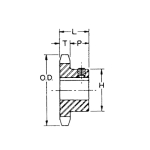
Browning 20-TOOTH #50-1 CHAIN SPROCKETS BRW H-5020 X 1-7/16
Browning® finished bore sprockets are offered in single strands. Offerings include 35 to 100 pitch range. Finished bore sprockets are available from 3/8 to 2-7/16 in. Hardened teeth are available up to 30 teeth.

