

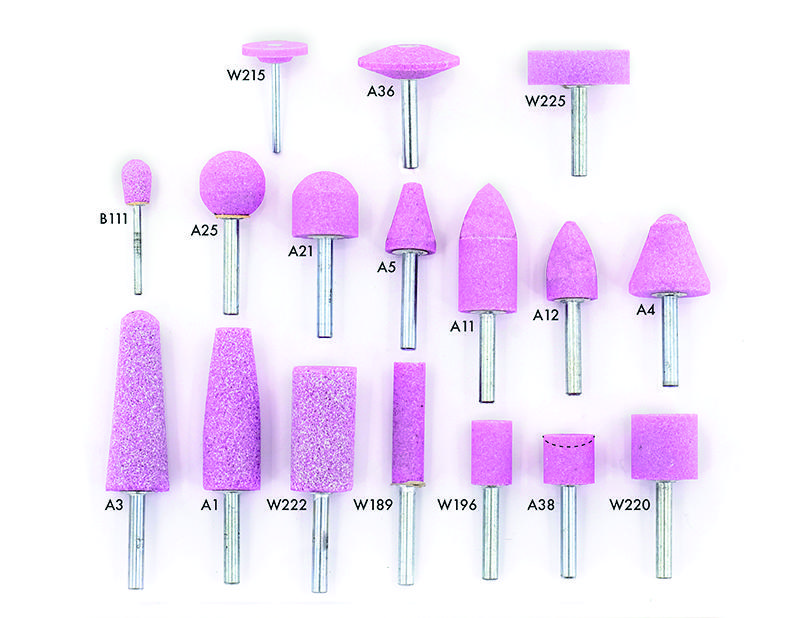
SAIT 1-1/4" W-225 MOUNTED POINT 1/4"SHK SAI 27350

-
BrandUnited Abrasives-SAIT
-
UPC699053273501
-
Manufacturer Part Number27350
-
CountryUSA|Canada
-
Maximum Speed30560 rpm
-
TypeType W225
-
Abrasive MaterialAluminum Oxide
-
Head Diameter1-1/4 in
-
Head Length1/4 in
-
Shank Diameter1/4 in
-
Shank Length1-1/2 in
-
SDS
Recently Viewed

Smith Bearing® HR-3/4-XB Cylindrical Stud Type Needle Bearing Cam Follower, 3/4 in Dia x 1/2 in W Roller, 7/16 in Dia x 7/8 in L Stud, 52100 Steel Roller
The HR Series have a larger diameter stud and are recommended for applications with high running loads and/or heavy shocks where deflection should be held to a minimum. Rollers and outer races are identical to the standard CR Series. Manufactured from high alloy bearing quality steel.
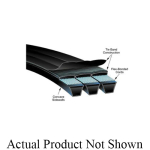
Gates® Power Transmission Hi-Power® II PowerBand® 4/B86 Banded Heavy Duty V-Belt, B Section, 21/32 in W Top, 89 in L Outside, 13/32 in THK, EPDM
The wrapped classical section Hi-Power™ V-belt has a long reputation for reliability on agricultural and industrial applications. The arched top of the Hi-Power belt provides superior strength to prevent "dishing" and distortion of the tensile section. The cords are properly aligned, each of them carrying its full share of the load.
Gates® Power Transmission Hi-Power® II PowerBand® 4/B60 Banded Heavy Duty V-Belt, B Section, 21/32 in W Top, 63 in L Outside, 13/32 in THK, EPDM
The wrapped classical section Hi-Power™ V-belt has a long reputation for reliability on agricultural and industrial applications. The arched top of the Hi-Power belt provides superior strength to prevent "dishing" and distortion of the tensile section. The cords are properly aligned, each of them carrying its full share of the load.
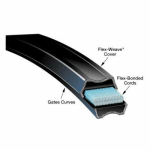
Gates® Power Transmission Hi-Power® II BB123 Banded Heavy Duty Double V-Belt, BB Section, 21/32 in W Top, 126 in L Outside, 17/32 in THK, EPDM
Designed with a unique recessed top and bottom to maintain sidewall contact, while remaining flexible for belt drive applications that require power transmission from both sides of the belt.

Synchronous belt drives help reduce the problems of slippage, belt stretch, lubrication and metal to metal contact. They provide superior performance because power is transmitted by positive engagement of belt teeth rather than by friction, as in conventional belt drives.

