


Leviton® 80511-W Midway Size Traditional Wall Plate, 3 Gangs, 6-3/4 in W x 4-7/8 in H, Thermoset, White

Familiar and functional, Leviton® traditional wallplates are designed for use with traditional Leviton® devices. They represent styles and form factors that have stood the test of time. Their clean lines work in virtually any location, whether in new or retrofit construction and they install quickly and easily. Leviton® offers traditional wallplates in a vast array of colors and configurations.
-
BrandLeviton®
-
UPC078477491782
-
Manufacturer Part Number80511-W
-
CountryUSA
-
FinishSmooth
-
Thickness0.255 in
-
MaterialThermoset
-
ColorWhite
-
TypeMidway Size Traditional
-
MountingSurface
-
Cutout0.942 in H x 0.406 in W Toggle Switch
-
Number of Gangs3
-
Size6-3/4 in W x 4-7/8 in H
- Traditional, easy to clean, smooth finish, non-combustible
- Resistant to fading, discoloration, grease, oil, organic solvents and moisture scratches
- Midway plates can be used to hide wall surface irregularities
- Full 3/8 in taller and wider than standard wallplates
| Competitor Name | Cross-Reference Number |
|---|---|
| Grainger | 25LN36 |
| 518514 |
-
Alternative Part Number7319087
-
UNSPSC39121704
-
IDEA Index ID7319087
-
Package DescriptionEACH
-
Standards/ApprovalsUL Listed|CSA Certified|ANSI Specified|NEMA Standard
-
Warranty2 Years Limited
-
Catalog
-
Specification Sheet
Recently Viewed

Leviton® 80511-W Midway Size Traditional Wall Plate, 3 Gangs, 6-3/4 in W x 4-7/8 in H, Thermoset, White
Familiar and functional, Leviton® traditional wallplates are designed for use with traditional Leviton® devices. They represent styles and form factors that have stood the test of time. Their clean lines work in virtually any location, whether in new or retrofit construction and they install quickly and easily. Leviton® offers traditional wallplates in a vast array of colors and configurations.

Leviton® 85001 Standard Size Wall Plate, 1 Gangs, 2-3/4 in W x 4-1/2 in H, Thermoset, Brown
Familiar and functional, Leviton® traditional wallplates are designed for use with traditional Leviton® devices. They represent styles and form factors that have stood the test of time. Their clean lines work in virtually any location, whether in new or retrofit construction and they install quickly and easily. Leviton® offers traditional wallplates in a vast array of colors and configurations.

Familiar and functional, Leviton® traditional wallplates are designed for use with traditional Leviton® devices. They represent styles and form factors that have stood the test of time. Their clean lines work in virtually any location, whether in new or retrofit construction and they install quickly and easily. Leviton® offers traditional wallplates in a vast array of colors and configurations.
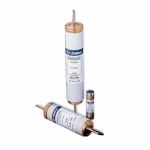
The LKN Series are fuse links designed for Littelfuse RLN series renewable fuses. Traditionally, Class H fuses were used to provide low cost protection of general purpose feeder and branch circuits where available short-circuit currents did not exceed 10,000 amperes. However, generally increased levels of available fault current and the distinct possibility that renewable fuses may be improperly renewed, rendering them unsafe, have all but eliminated the use of these fuses in new applications. In addition, escalating labour costs and increasing automation, which makes downtime very expensive, have greatly reduced or eliminated the cost savings attributed to renewable fuses.

Familiar and functional, Leviton® traditional wallplates are designed for use with traditional Leviton® devices. They represent styles and form factors that have stood the test of time. Their clean lines work in virtually any location, whether in new or retrofit construction and they install quickly and easily. Leviton® offers traditional wallplates in a vast array of colors and configurations.
The LKN Series are fuse links designed for Littelfuse RLN series renewable fuses. Traditionally, Class H fuses were used to provide low cost protection of general purpose feeder and branch circuits where available short-circuit currents did not exceed 10,000 amperes. However, generally increased levels of available fault current and the distinct possibility that renewable fuses may be improperly renewed, rendering them unsafe, have all but eliminated the use of these fuses in new applications. In addition, escalating labour costs and increasing automation, which makes downtime very expensive, have greatly reduced or eliminated the cost savings attributed to renewable fuses.

