


41-SH-28 28-tooth Sprocket For #41 Chain
28-TOOTH SPROCKET FOR #41 CHAIN - IDC41SH28>
Recently Viewed

28-TOOTH SPROCKET FOR #41 CHAIN - IDC41SH28>
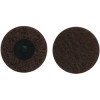
ARC 59345 2" FINE TYPE-R Z-WEB QUICK LOK DISC
-ARC59345

FYH® NANF211 32 NANF Cylindrical Flange Mount Ball Bearing Unit, 2 in Dia Bore, 5-1/8 in L Bolt Center-to-Center, 4-Bolt Flange Flange Mount, 6-3/8 in OAL/Dia
FYH® NANF211 32 NANF Cylindrical Flange Mount Ball Bearing Unit, 2 in Dia Bore, 5-1/8 in L Bolt Center-to-Center, 4-Bolt Flange Flange Mount, 6-3/8 in OAL/Dia
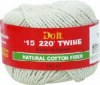
SIZE #15 COTTON CORD TWINE-ROLL OF 220'-JWH705197 >
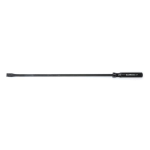
GEARWRENCH offers a wide range of pry bars for almost every application. The aligning and rolling head pry bars are manufactured from high alloy steel for superior strength and durability. They are ideal for prying, positioning, aligning, and lifting applications. Use the tapered end for aligning applications. The curved blade of the aligning pry bars provides extra leverage, while the rolling head provides maximum leverage. Available in sets and individually, these pry bars can handle just about any prying or aligning application.
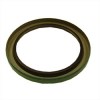
1.500" X 1.983X.188 PITMAN SHAFT OIL SEAL-CHI14840 >

