


JSM-501 JET EQUIPMENT AND TOOLS
PNEUMATIC 1/4" DIE GRINDERS-JETJSM501 >
Recently Viewed
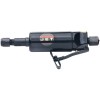
PNEUMATIC 1/4" DIE GRINDERS-JETJSM501 >

689-014-0150 #14 X 1-1/2" Stainless Steel Oval Head Phillips Sheet Metal Screw
#14 X 1-1/2" Stainless Steel Oval Head Phillips Sheet Metal Screw

Browning® 1221845 Minimum Plain Bore Type C1 Change Gear, 20 Diametral Pitch, 14.5 deg Pressure Angle, 3/8 in W Face, 40 Teeth, 2 in Dia Pitch, 5/8 in Dia Bore, Steel
Browning® offers a comprehensive line of off the shelf gears, including spur, miter and bevel as well as change gears. These are available in 20 deg pressure angle from 20 to 4 diametral pitch and 14.5 deg pressure angle from 48 to 3 diametral pitch. They are all designed to increase output, reduce costs and avoid the need for custom specials.
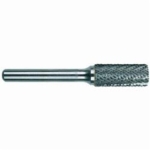
MORSE® 59512 5970 Premium Carbide Burr, Flat End, Cylindrical Head, 5/8 in Dia Head, 1 in L of Cut, 2-3/8 in OAL, Double Cut

ISOSTATIC™ Oilube® 401510 Round Bore Sleeve Bearing, 1-3/4 in Dia Bore, 2-1/8 in OD, 1-1/2 in W
ISOSTATIC™ Oilube® 401140 Round Bore Sleeve Bearing, 1/2 in Dia Bore, 3/4 in OD, 1/2 in W

