

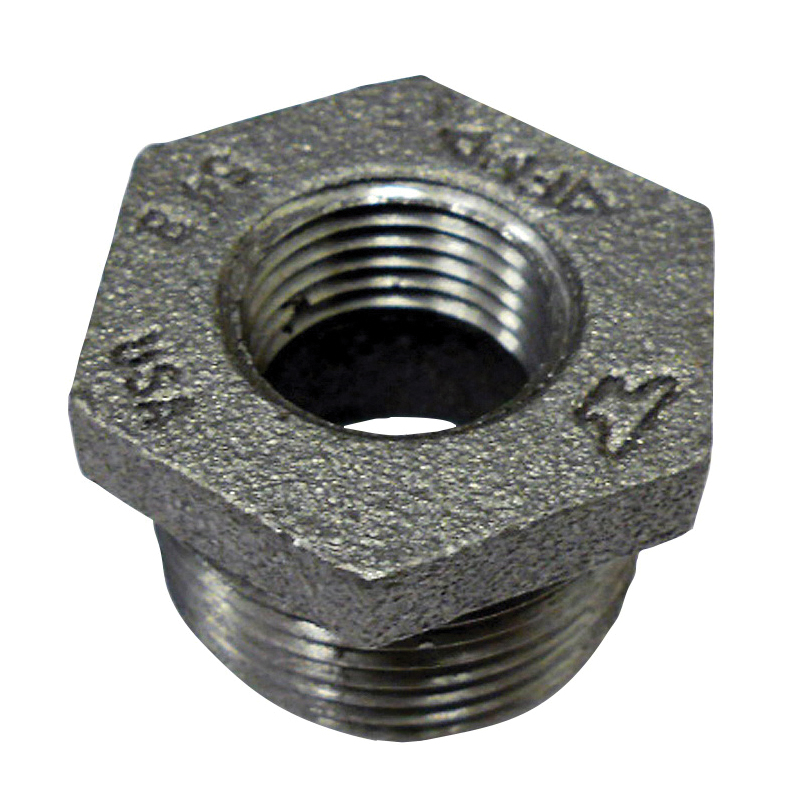
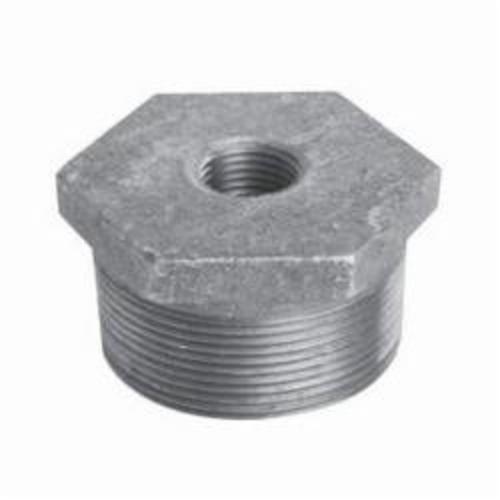
Anvil® 0318907763 Pipe Bushing, 2 x 1 in Nominal, Cast Iron, Black Oxide, Domestic

Extra strong, expertly cast iron is at the heart of Ward Fittings quality. From laboratory to foundry, raw materials undergo strict metallurgical and processing controls, chemical analysis and inspection to produce closely grained, high-tensile, non-porous iron. Generations of expertise and rigorous quality control results in durable yet precise cast and malleable iron fittings and components that meet or exceed national and industry standards - and the needs of contractors around the world who believe that down to the last detail, quality counts.
-
BrandAnvil®
-
UPC690291347542
-
Manufacturer Part Number0318907763
-
CountryUSA
-
FinishBlack Oxide
-
MaterialCast Iron
-
Fitting/Connector TypeBushing
-
Nominal Size2 x 1 in
-
Domestic/ImportDomestic
-
Temperature Rating-20 to 150 deg F
-
Thickness0.41 in
-
Pressure Class125 lb
-
Pressure Rating175 psi
-
TypeHex Head
-
Schedule RatingSCH 40/STD
-
Hex Size1.95 in
-
End StyleMNPT x FNPT
- Anvil standard and extra heavy cast iron threaded fittings are manufactured in accordance with ASME-B16.4 (except plugs and bushings, ASME B16.14).
- Wide range of products for sprinkler systems, drainage systems other installations, including fittings connectors, unions, plugs and bushings, clamps and more
- Accurate form, length and straightness on threads for easy engagement
- Chamfered openings for fast, easy engagement and assembly
- Precision machining
- Rust-Resistant coating
- 1.95 in head width
- 0.41 in head height
- 0.58 in internal x 0.88 in external thread length
- Inside head
| Competitor Name | Cross-Reference Number |
|---|---|
| Fastenal | 66332 |
-
UNSPSC40172303
-
Alternative Part Number2X1.BB
-
Package Description20/BX
-
Standards/ApprovalsANSI/ASME B16.14/B1.20.1|ASTM A126/A153|FM Approved|NSF 61-G|UL/ULC Listed|WW P471
-
Specification Sheet
Recently Viewed
Anvil® 0318907763 Pipe Bushing, 2 x 1 in Nominal, Cast Iron, Black Oxide, Domestic
Extra strong, expertly cast iron is at the heart of Ward Fittings quality. From laboratory to foundry, raw materials undergo strict metallurgical and processing controls, chemical analysis and inspection to produce closely grained, high-tensile, non-porous iron. Generations of expertise and rigorous quality control results in durable yet precise cast and malleable iron fittings and components that meet or exceed national and industry standards - and the needs of contractors around the world who believe that down to the last detail, quality counts.
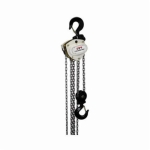
JET® L-100 Series Hand Chain Hoist is designed with all steel construction and integrates safety, durability and innovation enabling it to operate in the most demanding industrial environments. Safety features such as the slip clutch style overload protection that prevents the hoist from lifting damaging loads beyond its rated capacity. The JET® exclusive innovation showcased in the patented fused brake system reduces maintenance costs and limits downtime. JET® is so confident in the durability of the fused brake design we back it with an industry leading lifetime replacement warranty. The JET® L-100 is available in ¼ ton to 20 ton capacities and standard lifts of 10, 15, 20, and 30 feet (custom lifts available). Regardless of how harsh the environment, the JET® L-100 Series Hand Chain Hoist is engineered to perform.
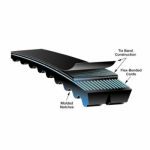
Gates® Power Transmission Tri-Power® PowerBand® 2/BX83 Heavy Duty Molded Notch V-Belt, BX Section, 21/32 in W Top, 86.6 in L Outside, 13/32 in THK, EPDM
Built for superior performance on heavy duty classical cross-section drives. The raw edge, Ethylene Elastomer construction and special notch design makes the Tri-Power belt especially suited for small diameter pulleys and back side idler drives.

SM SSN4.75X08 Nipple
Gates® Power Transmission Tri-Power® PowerBand® 2/BX70 Heavy Duty Molded Notch V-Belt, BX Section, 21/32 in W Top, 73.6 in L Outside, 13/32 in THK, EPDM
Built for superior performance on heavy duty classical cross-section drives. The raw edge, Ethylene Elastomer construction and special notch design makes the Tri-Power belt especially suited for small diameter pulleys and back side idler drives.

Browning 10:1 RAIDER WORM GEAR REDUCERS BRW 262-Q-56-LR-10
Raider® Plus worm gear reducers represent the most flexible worm gear product in the power transmission solutions portfolio. With a large variety of add-on accessories, the Raider® Plus line of worm gear reducers is a problem solver. Four unit styles form the basis of this vast product offering. These are the universal style ("U" style, shaft input) with an output shaft and the C-face style ("Q" style, input quill) with an output shaft. Both the "U" and "Q" styles are also available with hollow outputs. The Raider® Plus worm gear reducer is designed as an industry interchange. It is dimensionally interchangeable with the major industry competitors.

