

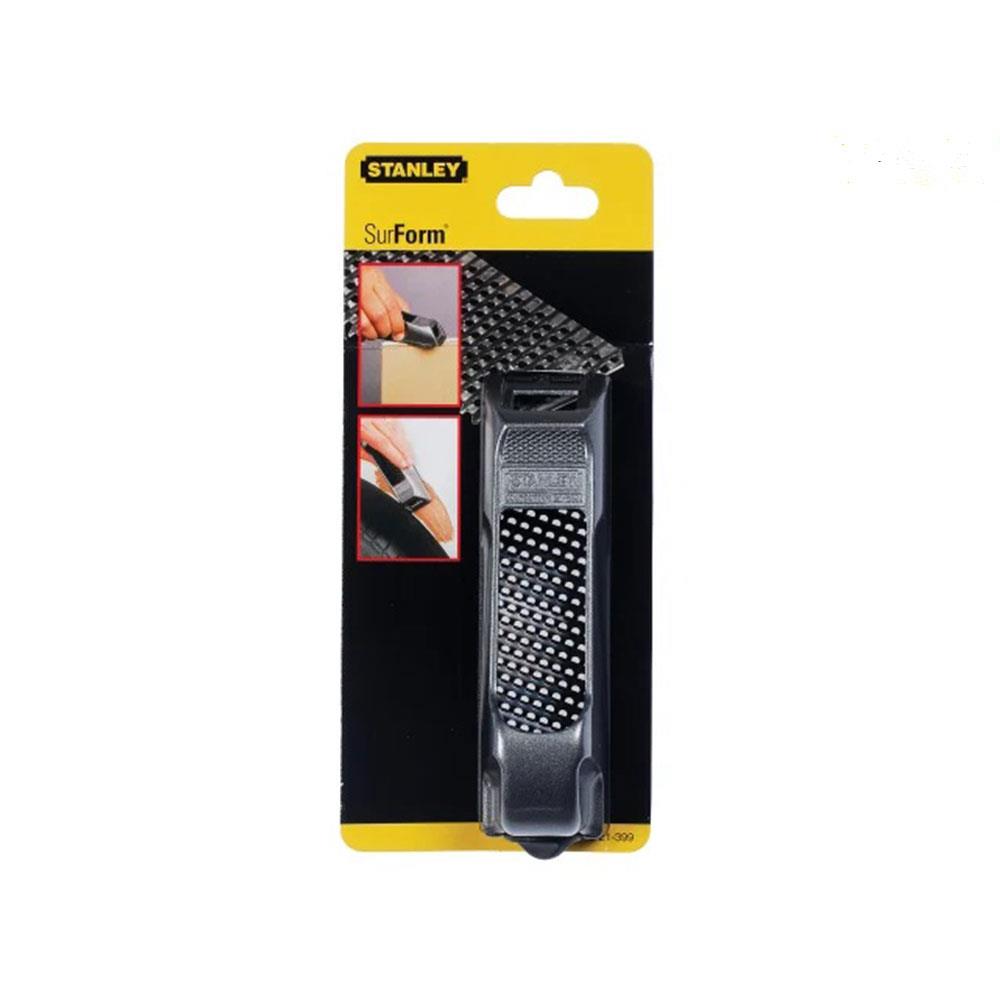
Stanley® Surform® 21-393 Flat Blade, 10 in L, For Use With 21-296 and 21-295 File

Stanley® Surform® 21-393 Flat Blade, 10 in L, For Use With 21-296 and 21-295 File
-
BrandStanley®
-
UPC076174213935
-
Manufacturer Part Number21-393
-
CountryUSA
-
Length10 in
-
Suitable For Use With21-296 and 21-295 File
| Cross-Reference Number |
|---|
| 315634 |
-
UNSPSC27110000
-
Package DescriptionEACH
-
Catalog
Recently Viewed

Stanley® Surform® 21-393 Flat Blade, 10 in L, For Use With 21-296 and 21-295 File
Stanley® Surform® 21-393 Flat Blade, 10 in L, For Use With 21-296 and 21-295 File


The series 80000 spring retractable reels incorporate the most current design and manufacturing techniques to guarantee long life and trouble-free performance. All -steel construction and a baked on powder coat finish combine to produce a rugged, corrosion-resistant product suitable for a wide variety of heavy duty applications.

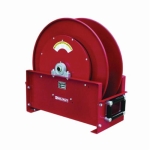
The series 9000 mobile base reels offer the greatest amount of stability for high volume air, water, fuel and petroleum. Ideal for portable service trucks, permanent service or plant work areas. A durable baked on powder coat finish produces a rugged corrosion-resistant product suitable for a wide variety of heavy duty applications. Basic reels without hose will handle air, water, or oil, consult Reelcraft® for other applications.


Series 7000 is very robust and ideal for the most demanding applications. The reel's base and guide arm are formed from high grade steel engineered with structural forms and gussets to yield the greatest amount of strength. The standard low pressure hose is for air or water service only. The basic reel without hose can be used for air, water or oil. Guide arm adjusts to three positions.
CUTS PVC PIPE THROUGH 1-1/4" I.D. AND RUBBER TUBING THROUGH 2" I.D. DURABLE GLASS FILLED NYLON HANDLES. REPLACEABLE STAINLESS-STEEL BLADE, RETRACTS INTO HANDLE FOR SAFE CARRYING. REPLACEMENT BLADE
-JWH480630 >

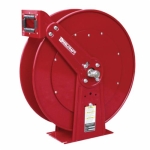
The series 80000 spring retractable reels incorporate the most current design and manufacturing techniques to guarantee long life and trouble-free performance. All -steel construction and a baked on powder coat finish combine to produce a rugged, corrosion-resistant product suitable for a wide variety of heavy duty applications.

