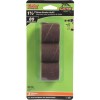
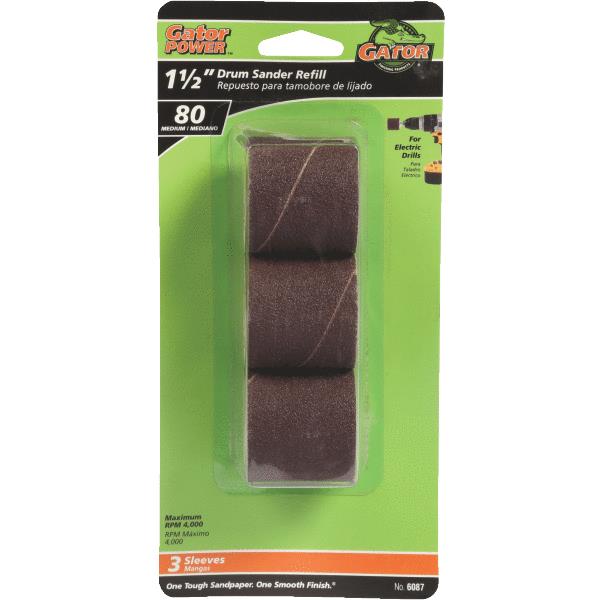
304093 DO-IT-BEST/HWI PRODUCTS
1-1/2" 80-GRIT DRUM SANDER REFILL--3 PACK - JWH304093 >
Recently Viewed
1-1/2" 80-GRIT DRUM SANDER REFILL--3 PACK - JWH304093 >
Browning® Gearbelt® 1055276 Type 2 Synchronous Timing Pulley With Flange, 5/8 to 2-3/8 in Bore, 4.745 in OD, 40 Grooves, 4.775 in Dia Pitch, 1 in W Face
Synchronous belt drives help reduce the problems of slippage, belt stretch, lubrication and metal to metal contact. They provide superior performance because power is transmitted by positive engagement of belt teeth rather than by friction, as in conventional belt drives.
Enerpac® RC-2514 DUO General Purpose Single Acting Hydraulic Cylinder, 25 ton Capacity, 2.56 in Dia Bore, 14-1/4 in L Stroke, 18-3/4 in H Retract, 2.56 in Dia Rod, 700 bar
Browning® Gearbelt® 1055284 Type 2 Synchronous Timing Pulley With Flange, 1/2 to 7/8 in Bore, 2.119 in OD, 18 Grooves, 2.149 in Dia Pitch, 1-1/4 in W Face
Synchronous belt drives help reduce the problems of slippage, belt stretch, lubrication and metal to metal contact. They provide superior performance because power is transmitted by positive engagement of belt teeth rather than by friction, as in conventional belt drives.
Browning® Gearbelt® 1055235 Type 2 Synchronous Timing Pulley With Flange, 5/8 to 1-3/8 in Bore, 3.312 in OD, 28 Grooves, 3.342 in Dia Pitch, 1 in W Face
Synchronous belt drives help reduce the problems of slippage, belt stretch, lubrication and metal to metal contact. They provide superior performance because power is transmitted by positive engagement of belt teeth rather than by friction, as in conventional belt drives.
Browning® Gearbelt® 3514312 Solid Type DF Synchronous Timing Pulley With Flange, 1/2 to 2 in QD® Bore, 4.402 in OD, 28 Grooves, 4.456 in Dia Pitch, 3-3/8 in W Face
Synchronous belt drives help reduce the problems of slippage, belt stretch, lubrication and metal to metal contact. They provide superior performance because power is transmitted by positive engagement of belt teeth rather than by friction, as in conventional belt drives.