

Timing Pulleys

Browning® Gearbelt® 1056555 Type 4 Synchronous Timing Pulley With Flange, 3/8 to 1 in Split Taper Bore, 2.477 in OD, 21 Grooves, 2.507 in Dia Pitch, 1-1/4 in W Face
Synchronous belt drives help reduce the problems of slippage, belt stretch, lubrication and metal to metal contact. They provide superior performance because power is transmitted by positive engagement of belt teeth rather than by friction, as in conventional belt drives.

Browning® Gearbelt® 1056522 Type 4 Synchronous Timing Pulley With Flange, 3/8 to 1 in Split Taper Bore, 2.119 in OD, 18 Grooves, 2.149 in Dia Pitch, 1-1/4 in W Face
Synchronous belt drives help reduce the problems of slippage, belt stretch, lubrication and metal to metal contact. They provide superior performance because power is transmitted by positive engagement of belt teeth rather than by friction, as in conventional belt drives.

Browning® Gearbelt® 1056324 Type 16 Synchronous Flanged Pulley, 3/8 to 1-1/2 in Split Taper Bore, 3.551 in OD, 30 Grooves, 3.581 in Dia Pitch, 1 in W Face
Browning® Gearbelt® 1056324 Type 16 Synchronous Flanged Pulley, 3/8 to 1-1/2 in Split Taper Bore, 3.551 in OD, 30 Grooves, 3.581 in Dia Pitch, 1 in W Face

Browning® Gearbelt® 1056316 Type 4 Synchronous Timing Pulley With Flange, 3/8 to 1-1/2 in Split Taper Bore, 3.312 in OD, 28 Grooves, 3.342 in Dia Pitch, 1 in W Face
Synchronous belt drives help reduce the problems of slippage, belt stretch, lubrication and metal to metal contact. They provide superior performance because power is transmitted by positive engagement of belt teeth rather than by friction, as in conventional belt drives.

Browning® Gearbelt® 1056241 Type 4 Synchronous Timing Pulley With Flange, 3/8 to 1 in Split Taper Bore, 2.119 in OD, 18 Grooves, 2.149 in Dia Pitch, 1 in W Face
Synchronous belt drives help reduce the problems of slippage, belt stretch, lubrication and metal to metal contact. They provide superior performance because power is transmitted by positive engagement of belt teeth rather than by friction, as in conventional belt drives.

Browning® Gearbelt® 1056225 Type 17 Synchronous Timing Pulley, 3/8 to 1-1/2 in Split Taper Bore, 14.294 in OD, 120 Grooves, 14.324 in Dia Pitch, 3/4 in W Face
Synchronous belt drives help reduce the problems of slippage, belt stretch, lubrication and metal to metal contact. They provide superior performance because power is transmitted by positive engagement of belt teeth rather than by friction, as in conventional belt drives.

Browning® Gearbelt® 1056043 Type 5 Synchronous Timing Pulley With Flange, 3/8 to 1-1/2 in Split Taper Bore, 3.551 in OD, 30 Grooves, 3.581 in Dia Pitch, 3/4 in W Face
Synchronous belt drives help reduce the problems of slippage, belt stretch, lubrication and metal to metal contact. They provide superior performance because power is transmitted by positive engagement of belt teeth rather than by friction, as in conventional belt drives.

Browning® Gearbelt® 1056027 Type 5 Synchronous Timing Pulley With Flange, 3/8 to 1-1/2 in Split Taper Bore, 3.074 in OD, 26 Grooves, 3.104 in Dia Pitch, 3/4 in W Face
Synchronous belt drives help reduce the problems of slippage, belt stretch, lubrication and metal to metal contact. They provide superior performance because power is transmitted by positive engagement of belt teeth rather than by friction, as in conventional belt drives.

Browning® Gearbelt® 1056019 Type 5 Synchronous Timing Pulley With Flange, 3/8 to 1-1/2 in Split Taper Bore, 2.835 in OD, 24 Grooves, 2.865 in Dia Pitch, 3/4 in W Face
Synchronous belt drives help reduce the problems of slippage, belt stretch, lubrication and metal to metal contact. They provide superior performance because power is transmitted by positive engagement of belt teeth rather than by friction, as in conventional belt drives.

Browning® Gearbelt® 1055987 Type 4 Synchronous Timing Pulley With Flange, 3/8 to 1 in Split Taper Bore, 2.357 in OD, 20 Grooves, 2.387 in Dia Pitch, 3/4 in W Face
Synchronous belt drives help reduce the problems of slippage, belt stretch, lubrication and metal to metal contact. They provide superior performance because power is transmitted by positive engagement of belt teeth rather than by friction, as in conventional belt drives.

Browning® Gearbelt® 1055961 Type 4 Synchronous Timing Pulley With Flange, 3/8 to 1 in Split Taper Bore, 2.119 in OD, 18 Grooves, 2.149 in Dia Pitch, 3/4 in W Face
Synchronous belt drives help reduce the problems of slippage, belt stretch, lubrication and metal to metal contact. They provide superior performance because power is transmitted by positive engagement of belt teeth rather than by friction, as in conventional belt drives.

Browning® Gearbelt® 1055821 Type 2 Synchronous Timing Pulley With Flange, 1 to 1-3/4 in Bore, 3.447 in OD, 22 Grooves, 3.501 in Dia Pitch, 3-5/16 in W Face
Synchronous belt drives help reduce the problems of slippage, belt stretch, lubrication and metal to metal contact. They provide superior performance because power is transmitted by positive engagement of belt teeth rather than by friction, as in conventional belt drives.

Browning® Gearbelt® 1055813 Type 2 Synchronous Timing Pulley With Flange, 1 to 1-11/16 in Bore, 3.288 in OD, 21 Grooves, 3.342 in Dia Pitch, 3-5/16 in W Face
Synchronous belt drives help reduce the problems of slippage, belt stretch, lubrication and metal to metal contact. They provide superior performance because power is transmitted by positive engagement of belt teeth rather than by friction, as in conventional belt drives.

Browning® Gearbelt® 1055805 Type 2 Synchronous Timing Pulley With Flange, 3/4 to 1-5/8 in Bore, 3.129 in OD, 20 Grooves, 3.183 in Dia Pitch, 3-5/16 in W Face
Synchronous belt drives help reduce the problems of slippage, belt stretch, lubrication and metal to metal contact. They provide superior performance because power is transmitted by positive engagement of belt teeth rather than by friction, as in conventional belt drives.

Browning® Gearbelt® 1055763 Type 2 Synchronous Timing Pulley With Flange, 3/4 to 1-1/8 in Bore, 2.492 in OD, 16 Grooves, 2.546 in Dia Pitch, 3-5/16 in W Face
Synchronous belt drives help reduce the problems of slippage, belt stretch, lubrication and metal to metal contact. They provide superior performance because power is transmitted by positive engagement of belt teeth rather than by friction, as in conventional belt drives.

Browning® Gearbelt® 1055748 Type 2 Synchronous Timing Pulley With Flange, 1 to 2-5/16 in Bore, 4.402 in OD, 28 Grooves, 4.456 in Dia Pitch, 2-9/32 in W Face
Synchronous belt drives help reduce the problems of slippage, belt stretch, lubrication and metal to metal contact. They provide superior performance because power is transmitted by positive engagement of belt teeth rather than by friction, as in conventional belt drives.

Browning® Gearbelt® 1055722 Type 2 Synchronous Timing Pulley With Flange, 1 to 1-7/8 in Bore, 3.766 in OD, 24 Grooves, 3.82 in Dia Pitch, 2-9/32 in W Face
Synchronous belt drives help reduce the problems of slippage, belt stretch, lubrication and metal to metal contact. They provide superior performance because power is transmitted by positive engagement of belt teeth rather than by friction, as in conventional belt drives.

Browning® Gearbelt® 1055714 Type 2 Synchronous Timing Pulley With Flange, 1 to 1-3/4 in Bore, 3.447 in OD, 22 Grooves, 3.501 in Dia Pitch, 2-9/32 in W Face
Synchronous belt drives help reduce the problems of slippage, belt stretch, lubrication and metal to metal contact. They provide superior performance because power is transmitted by positive engagement of belt teeth rather than by friction, as in conventional belt drives.

Browning® Gearbelt® 1055656 Type 2 Synchronous Timing Pulley With Flange, 3/4 to 1-1/8 in Bore, 2.492 in OD, 16 Grooves, 2.546 in Dia Pitch, 2-9/32 in W Face
Synchronous belt drives help reduce the problems of slippage, belt stretch, lubrication and metal to metal contact. They provide superior performance because power is transmitted by positive engagement of belt teeth rather than by friction, as in conventional belt drives.

Browning® Gearbelt® 1055649 Type 2 Synchronous Timing Pulley With Flange, 3/4 to 7/8 in Bore, 2.174 in OD, 14 Grooves, 2.228 in Dia Pitch, 2-9/32 in W Face
Synchronous belt drives help reduce the problems of slippage, belt stretch, lubrication and metal to metal contact. They provide superior performance because power is transmitted by positive engagement of belt teeth rather than by friction, as in conventional belt drives.

Browning® Gearbelt® 1055623 Type 2 Synchronous Timing Pulley With Flange, 3/4 to 2-5/16 in Bore, 4.402 in OD, 28 Grooves, 4.456 in Dia Pitch, 1-3/4 in W Face
Synchronous belt drives help reduce the problems of slippage, belt stretch, lubrication and metal to metal contact. They provide superior performance because power is transmitted by positive engagement of belt teeth rather than by friction, as in conventional belt drives.
Browning® Gearbelt® 1055581 Type 2 Synchronous Timing Pulley With Flange, 3/4 to 1-11/16 in Bore, 3.288 in OD, 21 Grooves, 3.342 in Dia Pitch, 1-3/4 in W Face
Synchronous belt drives help reduce the problems of slippage, belt stretch, lubrication and metal to metal contact. They provide superior performance because power is transmitted by positive engagement of belt teeth rather than by friction, as in conventional belt drives.

Browning® Gearbelt® 1055573 Type 2 Synchronous Timing Pulley With Flange, 3/4 to 1-5/8 in Bore, 3.129 in OD, 20 Grooves, 3.183 in Dia Pitch, 1-3/4 in W Face
Synchronous belt drives help reduce the problems of slippage, belt stretch, lubrication and metal to metal contact. They provide superior performance because power is transmitted by positive engagement of belt teeth rather than by friction, as in conventional belt drives.

Browning® Gearbelt® 1055565 Type 2 Synchronous Timing Pulley With Flange, 3/4 to 1-1/2 in Bore, 2.97 in OD, 19 Grooves, 3.024 in Dia Pitch, 1-3/4 in W Face
Synchronous belt drives help reduce the problems of slippage, belt stretch, lubrication and metal to metal contact. They provide superior performance because power is transmitted by positive engagement of belt teeth rather than by friction, as in conventional belt drives.
Recently Viewed
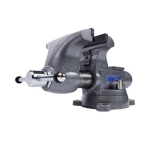

Wilton® Tradesman WL9-28808 Round Channel Vise, Serrated/Reversible Jaw, 6-3/4 in Jaw Opening, 8 in W Steel Jaw, 4-3/4 in D Throat
The Tradesman round channel vise is designed to handle the most demanding clamping applications. Unlike most vises that have a fixed center nut the Tradesman round channel vise nut is anchored at the rear which provides straight line pull and even pressure resulting in greater durability. The round channel design also allows for a completely enclosed spindle and nut assembly keeping debris out and lubrication in for a lifetime of smooth operation. For ultimate versatility, the Tradesman vise is equipped with main jaws, pipe jaws and a machined anvil work surface.

Browning® 1293687 Standard Cottered Roller Chain, 2 in Pitch, 1-1/8 in Dia x 1-1/4 in W Roller, Steel
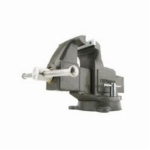
Wilton® 10116 Deep Throat Machinist Bench Vise, Serrated Jaw, 12 in Jaw Opening, 8 in W Hardened Steel Jaw, 5-13/16 in D Throat
Wilton® 10116 Deep Throat Machinist Bench Vise, Serrated Jaw, 12 in Jaw Opening, 8 in W Hardened Steel Jaw, 5-13/16 in D Throat

V-BELTOUTSIDE CIRCUMFERENCE >30"-JASB27 >


Energizer® 389 Button Cell, Silver Oxide, 1.5 V DC Nominal, 85 mAh Nominal, 389
There are regular specialty batteries, and then there are Energizer Specialty Batteries. So get the durable, reliable power that keeps going with this Energizer 389 Silver Oxide Button Cell Battery. It delivers long-lasting power to your button-battery-operated devices, from household electronics like keyless entry systems, to e-books, toys, calculators, and watches, to heart rate and glucose monitors. And these zero-mercury coin batteries can hold power for up to five years in storage. Choose Energizer Specialty Batteries for long-lasting power you can count on when you need it.


Wilton® WL9-21111 Multi-Purpose Vise Jaw Cap, For Use With Multi-Grip® Bench Vise, 7 in W Jaw, Polyurethane, Yellow
Polyurethane jaws are yellow and come in a pack of 2. Always replace worn jaws to ensure a firm grip on workpieces. This authentic JET replacement part is designed specifically for your tool and guaranteed to perform to OEM specs.

